On-site evaluation
Walk the property, understand how each area is used, and identify the locations where reliable connectivity matters.

Residential / Good Wi‑Fi
Reliable Wi‑Fi begins with understanding the property—not adding equipment by trial and error. BAV documents the environment, analyzes the existing network, models coverage, and gives you a clear plan for improvement.
The problem is rarely just speed
Walls, floors, construction materials, equipment locations, cabling, outdoor areas, neighboring networks, and the way a household uses the property all influence performance.
Internet speed alone does not explain dropped calls, unreliable streaming, slow workspaces, or weak coverage at a gate, patio, garage, or guest house. The assessment establishes a measured baseline and turns a vague problem into a documented design decision.
The assessment covers on-site Wi‑Fi and network evaluation, 3D/360 property capture as applicable, floor-plan creation or validation for network planning, Wi‑Fi heat mapping, current-network analysis, recommended access-point locations, modeled solution approaches, and documented improvement recommendations.
Separate implementation scope
Equipment, installation, new cabling, construction, patching, painting, architectural concealment systems, and other implementation work are separate and quoted independently.
What the assessment includes
Walk the property, understand how each area is used, and identify the locations where reliable connectivity matters.
Capture the property in 3D/360 as applicable and create or validate the floor plans, dimensions, and building details required for Wi‑Fi planning.
Review the Internet service, router, switching, access points, equipment locations, cabling, and current configuration.
Create Wi‑Fi heat maps and model expected wireless performance across the home, outbuildings, and priority outdoor areas.
Identify access-point locations and modeled approaches based on performance, aesthetics, and the building.
Provide prioritized recommendations and a clear improvement plan for review before any implementation work begins.
How the assessment works
The work moves from preparation and field documentation to modeling, recommendations, and an owner-ready review.
We review the intake, available plans, known problem areas, and the desired coverage priorities before the visit.
We document the property and inspect the current network, wiring, equipment, and relevant construction conditions.
We translate field information into coverage models, placement options, and recommendations suited to the property.
We present the findings, explain the tradeoffs, and outline the next step if you choose to proceed with improvements.
Multiple design approaches
BAV may evaluate approaches such as the examples below. They illustrate the kinds of tradeoffs the assessment can explore; they are not a promise that every project will receive exactly four designs.

Performance-First
Prioritize signal quality, capacity, roaming, and serviceability, with access points placed openly where the wireless design benefits most.

Aesthetic Priority
Evaluate less conspicuous locations and architectural sightlines while preserving the coverage needed for a dependable experience.
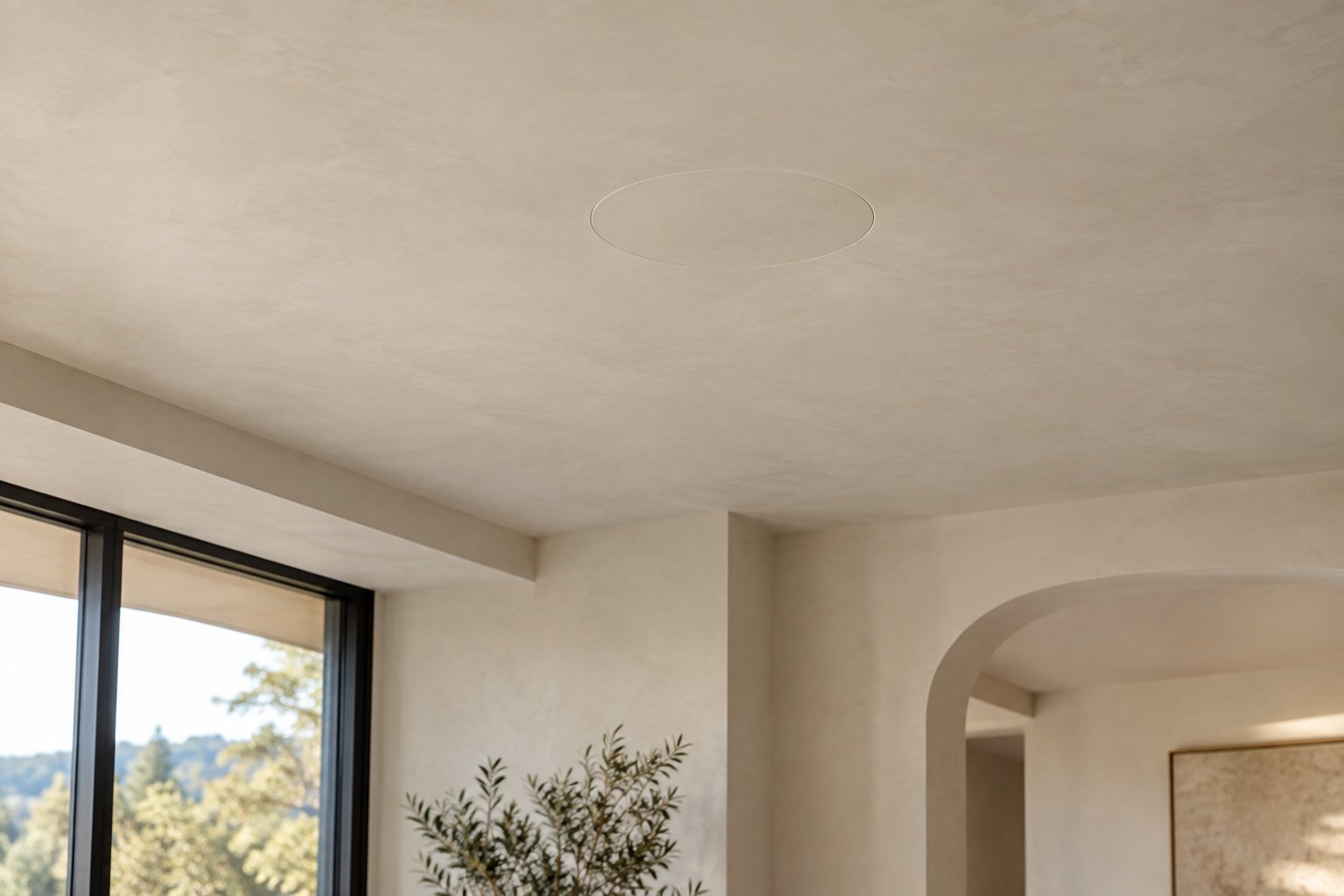
Architectural Concealment
Where appropriate, consider specialist concealment systems and architectural integration. Construction, finishing, and concealment products remain separate implementation work.
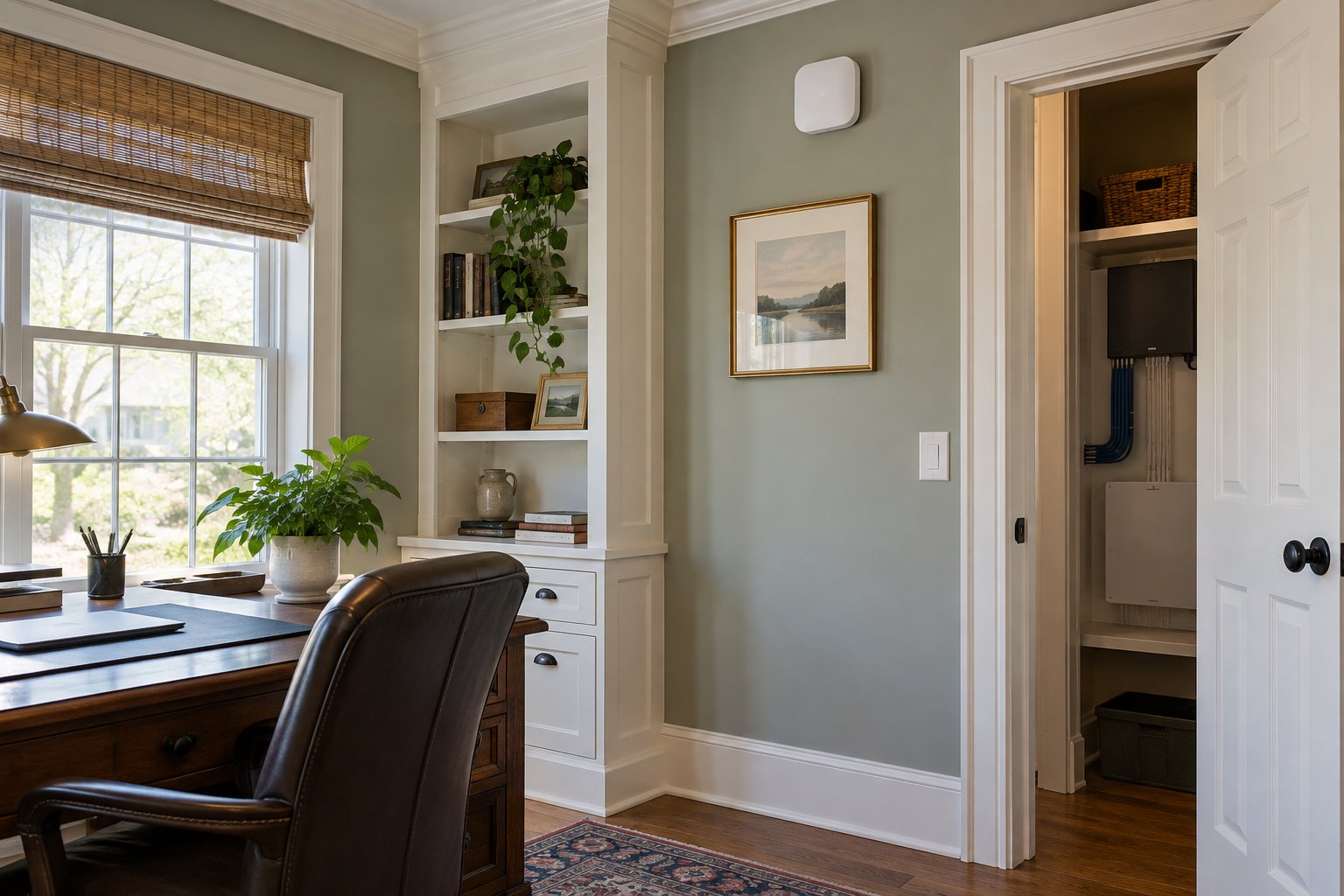
Existing-Infrastructure Approach
Evaluate existing cabling, equipment locations, and practical retrofit paths to improve performance while limiting unnecessary disruption.
Sample deliverables
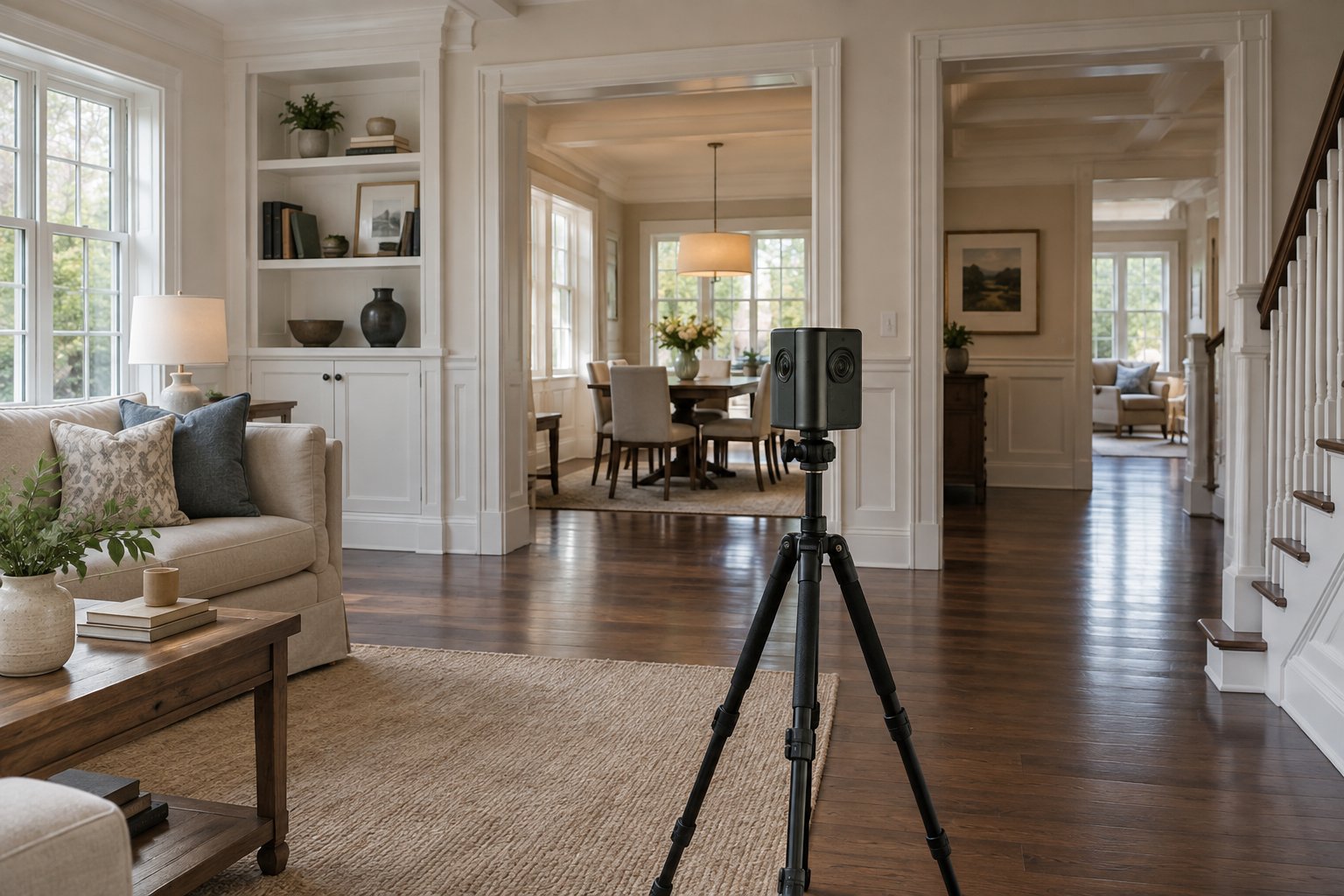
The final documentation is shaped by the property. These examples show how field information can become useful planning material.
Book the assessment
Select an available appointment below to schedule your Professional Home Wi‑Fi Assessment. If the calendar does not appear, use the secure booking link.
Schedule Your Assessment — $2,500After booking
After the appointment is reserved, the customer will complete a dedicated Wi‑Fi Assessment Intake.
The broader BAV Good Wi‑Fi methodology
The assessment establishes the first four phases. Any approved implementation, validation, resilience, monitoring, and ongoing support follow as separately scoped work.
Build an accurate understanding of the property and existing environment.
Identify the actual network constraints and coverage priorities.
Predict coverage and evaluate appropriate placement approaches.
Deliver a practical, prioritized improvement plan.
Complete separately approved equipment, cabling, and installation work.
Measure the finished result and maintain visibility over time where appropriate.